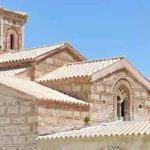
Although currently a Catholic church, this is considered a Byzantine masterpiece built in 920 AD, although the engraved cross-shaped pillar and semi-hexagonal arch date from the 12th century. Frankish elements were added in the 14the century, with murals from the different eras as well. The Byzantine icon of the Holy Mother is noteworthy, so is the stunning throne.
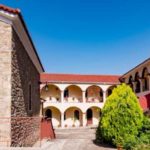
When a Frenchman jumped with his horse some 280 meters above sea level in trying to escape from the Ottomans and survived, this was a divine sign to build the Monastery. Fragopidima means Frankish Leap, and the Monastery is allied to Saint Nicholas (Agios Nikolaos) who protected the Frank. The monastery is a short picturesque drive from Pyrgos.
Travel through the different excavations to learn how history is unearthed. Get to know the excavation teams throughout the years through photographs, designs, engravings, etc. Excavations, tools and techniques explained!
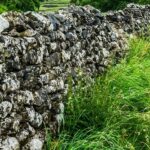
Located in a mountainous region east of Anditsaina the village of Theisoa was called in ancient times Lavda. Ruins of houses are found in the area, with parts of temples along with some inscriptions. The town’s acropolis is located on the northwest part of today's community, surrounded by a strong wall. The Dutch Archeological Institute has excavated a part of a cemetery. The tombs portray an idiosyncratic style regarding the alignment of the corpses and funeral gifts.
In a mountainous and inaccessible northeast side of Ilia between Panopoulo and Agia Triada lies an elongated graveyard with dozens of Mycenaean tombs.
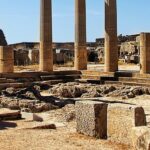
Only 10 kilometres from Pyrgos, Olympia stands as one of the most important sites of Greece, where the first Olympics came into being and thereafter became a legend in this part of the world.
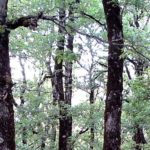
This is the most significant city of the mountainous region in Ilia which borders with Arcadia and Achaia. It was located in the Kapelis plateau surrounded by particular plants called foloi. The foloi were named after the Centaur Folos who lived in the forest. Today the plateau is covered with a dense acorn forest and it is considered one the most beautiful in Greece. Traces of walls have been found near the village of Koumani at Kouti (Palaiokastro). The entire area is dotted with ruins and fragments with inscriptions. During Frankish rule it is believed that a tower was built on top of the ancient city.
The small coastal village of Nas is located in the island's north western section, just a few kilometres from Armenistis.Here was where the harbour of the ancient town stood. It's name is believed to have come either from the word “naos” meaning “temple” or from the word “Ma”, which was how the goddess Artemis was referred to in Asia Minor. The worship of this particular goddess came to the island during the post-Minoan era and prompted the construction of the temple dedicated to the goddess Artemis “Tavropolios”. This unique version of the deity's name was derived from the word “tavros” meaning bull, as she was known as being a virile force of both nature and destruction.