
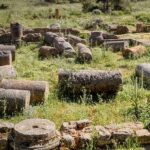
Once a very powerful city, Figaleia was surrounded by a thick wall and with circular and rectangular towers which are still in evidence today and in relatively good condition. Roman travel writer Pausanias mentioned the existence of priests at the Temple of Artemis, writing about Dionysus Evroinomis, a gymnasium and agora, as well as statues of Hermes and of Olympic champion, Arachiona. The latter was found in the ancient agora of the town.
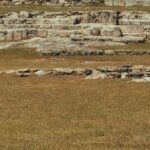
Alifeira is situated on the top of a steep hill over the modern village of Alifeira. This hill is also known as the Nerovitsa Castle. It was occupied by Philip in 229 BC and then became a member of the Achaic commonwealth. Today there is evidence of walls surrounding the citadel, with the foundations of the temple of Athina from the 5th century BC. A sanctuary lies in the northern part of the temple and a 14-step entrance lies in the front part. Another temple on the western side, that of Asklipies, was also discovered, dating from the second half of the 4th century BC. Six tombstones also grace the site, with one having a temple-like facade and a pediment.
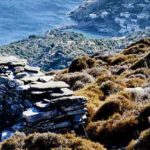
At a short distance just east of the present village of Therma, lie the ruins of the ancient city of Thermai, once well-known for its numerous hot springs and baths.
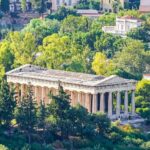
Near the ancient city of Trifilia, founded south of Olympia on the valley of Alfios river, lies the acropolis of Ancient Samia or Samiko in what is known today as Kato Samiko.
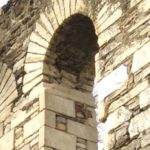
The well-known city of Oinoe was once the island’s most important city and has been associated throughout the ages with the worship of Dionysus. Today, the ruins of ancient Oinoe include the area around the mouth of the river Voutside in the northern part of the island near the present-day village of Kambos.

In the most impressive building in Ilia's capital, this museum used to be the city's main market yet now houses different archaeological collections as well as art exhibitions. If you're passing through Pyrgos, this is a must see!
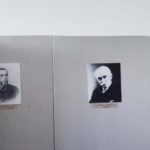
In an attractive building near the site of Olympia, the Museum of the Olympic Games houses memorabilia and objects related to the Olympics from ancient to modern times. These include postage stamps that commemorate the games.
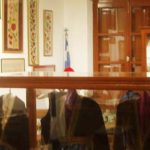
Discover some 4000 objects and artefacts related to the life on the mountains around Olympia. From tools used for traditional crafts to heirlooms and manuscripts, learn about recent history in these parts, including wars.

Housed in a historic neoclassical building, the museum highlights local folk art, as well as manufacturing items both from Greece and abroad, used in the late 19th century. This is a true trip in time.
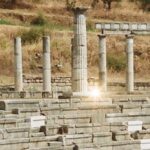
This museum exhibits pieces mainly from the sacred temple of Dios in Olympia. The most important ones are gold seal-rings depicting the Olympic Games, bronze and terracotta geometric warriors and much more. Among the museum's collection are chariot idols from Olympia symbolizing the harness racing, objects used by the athletes or related to the Games. Also important are the inscriptions on the bases of the statues of athletes, the stone and bronze signs, the bronze statuettes of athletes as well as the pottery with drawings of the athletes during the Games.