
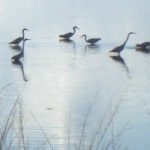
Three large wetlands stretch across tens of thousands of Pierian stremmata, all of great ecological significance. Visitors are often delighted by the beautiful landscapes and the dazzling colours that emerge from the amalgamation of rare plants and water.
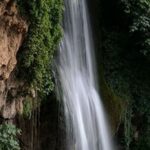
Located near Dion, this enchanting natural landmark is in the heart of lush greenery and has a small lake beneath it, under the imposing shadow of Mt Olympus. A wonderful place to hike to and relax or camp out at, especially in summer with a swim in the lake’s crystal waters.
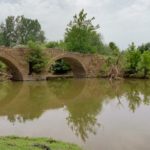
Enipeas is the Pierian river, whch runs through all of Litochoro. Its gorge has become widely knownand draws tourists from far and wide. Its source is at the Prionia point, at an altitude of 1000m, and the water temperature is just above zero Celcius, which means bathers with heart or other health problems should take care if they consider bathing in the natural pools that have fomed. The riverside path is actually one of the most favoured journeys to take in Olympus. If walking the nine kilometer path, which starts at Mili in Litochoro, it takes around 5-6 hours to reach Prionia. The journey is damp, extremely scenic and atmospheric. Many climbers drive up to the Prionia and climb from there to the high mountain peaks.
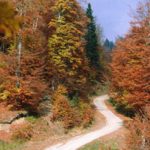
Pieria mountain is a spectacular Macedonian mountain covered in rich vegetation that’s worth visiting throughout the year. It has an altitude of 2,195 and is covered by both deciduous (beech, oak, sycamore, chestnut) and coniferous (pines, firs, pines, bushes) trees. Pieria is a chilly mountain, rich in springs, streams and waterfalls. The landscape is swathed in outstanding natural beauty and of great ecological interest, ideal for a long leisurely hike or even more adventurous pursuits. The standard reference points for visitors here are the two mountain shelters there: that of Ano Milia, at an altitude of 1000m, which is run by the Alpine Club of Katerini; the European Mountaineering Path E4 passes from there, crossing the Pieria Mountains and continuing to Mt Olympus. The other is at Sarakatsana, at an altitude of 1680m, and acts as a stopover for courses that start from the Ritini and the Paliopanayia position.
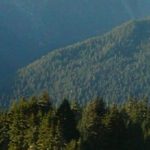
Since 1938, the 3.933 hectares of northern slopes and high peaks of Mt Olympus were declared as the National Park, with the aim of preserving the natural environment of the zone. The flora and fauna are of exceptional beauty and value, and it’s no surprise that holidaymakers, sports fanatics and even scientists come from across the planet to see and enjoy the area. The European Community has included Olympus in the list of “The Most Important Bird areas of the European Community”, and in 1981, UNESCO declared Olympus a “Biosphere Reserve”.
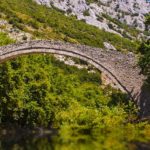
These beautiful stone fountains are a wonderful place to take a break, sit down and admire your surroundings. Admire the craftsmanship and the beautiful stone design.
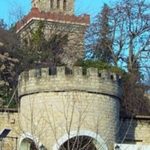
This Medieval fort/castle is located within the town, next to the neighborhood of Varousi. Founded by the Emperor Justinian in the 6thC, the fort includes the town’s famous Clock Tower which was rebuilt in 1936, as well as the Byzantine Churches of the Transfiguration of the Savior and Archangel Michael.
Explore the area, and get a taste of the town’s Medieval and Byzantine past. Note that the castle consists of three areas, like sections. One of the most beautiful sections is that part that contains the clock tower. Trikala Town’s municipal government landscaped the area and has now turned it into a beautiful park. Lounge on the lawns and take a picnic lunch with you as you eat in the shadow of one of the city’s most important landmarks. After, head to the theater built in the next section. If you’re visiting during the summer, catch a performance here. It’s a unique sight.
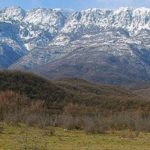
If there’s one iconic feature Trikala is proud of, it’s the pristine natural landscapes found throughout the region. From Koziakas Mountain and its important part in the Natura 2000 network, to the roaring rivers that rip through deep canyons, coupled with the biggest fir forest in the country, the wildlife habitats provided by these pristine landscapes are of critical importance to a number of species. As you hike through mountain trails or go canyoning, make sure you watch out for bears, wolves, owls, woodcocks, squirrels, foxes, pheasants, rabbits, partridges, deer and other mountain animals.
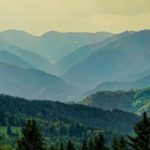
Trikala will astound all nature-lovers. Mountains, rivers, streams, forests, canyons and waterfalls weave a beautiful natural landscape that beckons to be admired and explored. Part of the Natura 2000 protected areas, a few days exploring and hiking through the area will prove to you why Trikala is a premiere destination spot for eco-tourists and locals alike. Lesser-known but incredibly beautiful, make it a point to visit the region throughout the year and admire how each season brings out beauty.
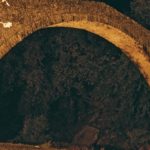
Built in 1514 by Saint Vissarion, this huge arch bridge is worth a tour. It passes over a roaring river, and was the only way of crossing for centuries. It’s a significant part of the region’s history.