
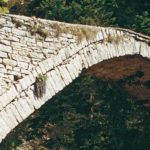
This beautiful stone bridge blends into the stunning natural surroundings in a way that will make you feel like you stepped into a fairy tale. Of course, Neraidochori means Fairy Village, which is an apt description of the beauty of the area.
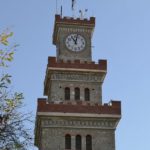
The town’s famous Clock Tower was rebuilt in 1936, but the old-world features that make it a favorite landmark among both locals and visitors will make you a fan. It stands proud in the middle of old and new buildings, and is one of the defining parts of Trikala.
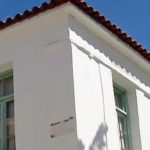
Built in 1850, this is the oldest building in Kalambaka. Take a walk to the area and admire the unique architectural features that give you a taste of what the town looked like in the 19thC. It now houses a public school.
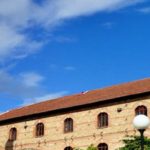
Built in 1884, this mill played a crucial role in the city’s history – present in all facets of industry, its place in the region’s economy was honored by turning it into a municipal arts center that also hosts a movie theater, classrooms for art courses and other cultural activities.
While you take in an art show, admire the mill’s stunning architecture. It’s one of the most unique venues of arts and culture you’ll see.
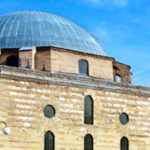
Currently used as a museum, it’s one of the finest examples of Muslim architecture in the country, and it’s a wonderfully unique venue for a number of cultural activities. Built in the 16th Century by a Turkish prince who sought refuge in Trikala when wounded, it’s a living monument to the hospitality and help the locals bestowed upon him during his recovery.
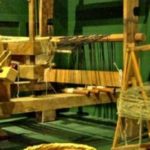
Natives of Trikala are proud of their illustrious heritage, and this museum in the Cultural Center unveils their history and local customs and lifestyle. Admire beautiful needlework, antique costumes, pottery artifacts, old maps, and domestic objects used by Trikala’s families in the past.
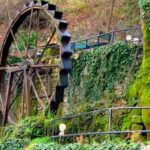
Dating back to 1665, this old stone watermill is fully functional and has been restored to house a hydroengineering museum to portray the power of this clean source of energy. Rugs and carpets are cleaned in the mill, wheat and corn are ground. Admire the engineering used to perform these everyday tasks, and learn more about Trikala’s industrial past.
Located in the Varoussi district, the Arts Center boasts a record of the creative life of a number of Greece’s prominent musicians, including Vasili Tsitsani who is a native of Trikala. You’ll find guitars and bouzoukia (mandolins) used by Tsitsani and others when composing their lyrical hits, as well as handwritten rough drafts of lyrics, poems and letters and other correspondence as well as old records, photos, drawing and newspaper clippings.
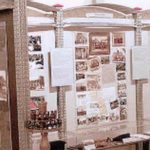
Once a soft-drink manufacturing and bottling company, the factories now house exhibitions featuring household objects, manuscripts, old photos as well as machines and contraptions from the Kliafa factories’ history. Another gallery houses an antique printing press and old issues of Trikala’s newspapers. Admire one of the most extensive collections of soft drink bottle caps and labels from all over the world and a beautiful Children’s library.

This beautiful Byzantine church is a wonderful example of religious architecture and a living record of the spiritual heritage of Trikala region. Stunningly built, it exudes an atmosphere of serenity.