
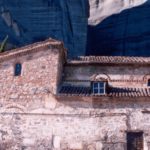
Founded in the 10thC, is the oldest church in the region, and its ancient masonry and stunning mosaic floor add to the spiritual atmosphere inside the church. Admire the marble throne and the church’s unique architecture.

Transfiguration of Christ Monastery (Meteora monastic complex)This is the largest and one of the most spectacular monasteries in Meteora. It stands atop the highest rock pillar, and was founded by St. Athanasios Meteoriti in the early 14thC. King John Paleologos was its co-founder, and became a monk when retreating from secular life. Admire the beautiful architecture, which includes an eerie cellar and impressive balcony. The cellar houses a wonderful folk museum that includes exhibits taken from historical everyday life. Along with the ossuary, explore the main church and its 15th and 16th Century Byzantine frescos and murals. The monastery’s rectory doubles as a museum with artifacts of monastic life and religious relics. Explore the ancient kitchen for a glimpse into the past and into everyday life in this sky-scraping environment.
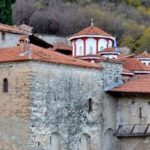
Perched atop Koziakas Mountain, at an altitude of 1665 meters, this 16thC monastery played a vital role in the history of the region. Visit the beautiful monastery to learn more about how this saint helped shape the town. Stroll through the monastic complex to admire the frescos and icons that adorn the church.

Founded in the early 1500s, this monastery is one of the most adorned in Meteora. Built by a local artist called Frangos Catelanos, he painted the murals himself. Admire the minute details in the religious scenes and notice the excellent craftsmanship of the era. Explore the chapel which is also beautifully adorned with hand-painted murals. There’s a museum in the rectory which is worth a tour. Testament to the monastery’s artistic heritage, it was a center for illuminated manuscripts and gold embroidery.

This convent was founded in the 12thC, and the nuns that have retreated there are devoted to charity work and art restoration.
The actual church of St. Stefanos was built in 1350 – it’s worth exploring because of the beautiful artwork that adorns its walls. Frescos are the work of the monk Nikolaos.
Hand-carved wood artwork can be found in the monastery’s other chapels – you’ll be amazed by the level of craftsmanship and with the architecture of the buildings. If you’re a legend-maniac, you’ll be happy to know the severed head of St. Haralambous is kept in the monastery, in the church of St. Haralambous – it’s believed to be a very powerful relic that’s responsible for many miracles. If you love museums, make it a point to explore the rectory, which has been turned into a museum. Admire the gold embroideries, ancient manuscripts and important icons housed there.

If you want to admire one of the most beautiful churches in the region, make it a point to seek out St. Paraskevi Church. Built in the 14thC, you’ll be able to see all the details of Byzantine architecture and artistry – stone masonry is of the highest order, as are the religious frescos that date back to the 15thC and are perfect examples of Byzantine craftsmanship and artistic tradition.

Founded in the 1300s, this monastery boasts a beautiful main church that has been decorated in a stunning tradition. The main church is dedicated to St. Nikolaos and was built in 1500. The artwork you can admire in the interior of the church has been credited to Theophanes from Crete.
He is the founder of an entire school of art. If you wander to the upper floors of the monastery, make it a point to admire the chapel of St. Anthony. You’ll see a number of 14thC frescos and murals that are iconic in Byzantine art. Ask to visit the ossuary which is an important part of the monastery’s attractions and is especially interesting in terms of tradition. There are other chapels that are also worth a visit.
This beautiful church was built in 1764, and still retains a lot of its historical presence. Once boasting beautiful murals, a fire destroyed much of the artwork but you can still see the underlying outlines and sketches drawn on the walls by the artist. Truly a one-of-a-kind peek into the artistic process.
Part of the Meteora monastic complex, This nunnery was founded in 1529 and boasts unique architecture that dates back to the early 16th Century. Explore the monastery’s Church of the Transfiguration of Christ – the icons, frescos and murals that decorate the inside of the church are famous and are considered to be canonical is religious art and date back to 1560.
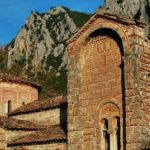
Built in 1283 by the Byzantine regional emperor Komninos, the heavy stone masonry of the Church of Porta-Panagia coupled with a golden aura of icons and lit candles indoors will take you back to the Middle Ages. Take some time to admire the two huge mosaic or psifidoto icons that greet you as you enter the church – they’re unique in Greece and something you’ll never come across again.