
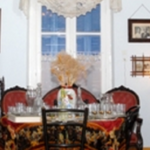
Housed in a beautifully restored neoclassical mansion dating back to 1880, this collection is a living monument to Limni’s past. The dwelling is decorated with antique furniture and appears as a sort of time machine into the past, featuring everyday items from centuries before.
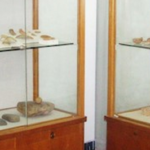
This small yet interesting exhibit is housed in the same building as the public baths of the municipality. Some noteworthy artefacts include a marble depiction of Hercules and a Roman statue of the demigod. Marble columns from nearby Gialtra dating back to the 4th century are also available for viewing.
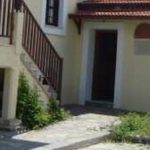
Located in the centre of this popular resort town, the museum houses a variety of items which highlight what life was like throughout the region from the years of Turkish occupation to the present. Among the objects are traditional farming tools, house wares, weapons, handmade weavings and garments as well as a small library and a large number of photographs.
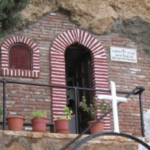
Though not an official “church”, the small altar set in the cave of St. Chirstodoulos honours the saint who sought refuge and became a hermit within it during the 10th century. It is located just outside the seaside town of Limni.
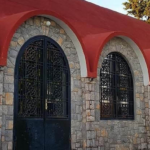
This unique Byzantine chapel is home to an altar that has been carved out from the rock of the ground on which it stands. It can be found within the northern village of Oreoi.
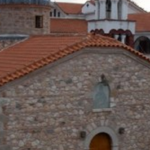
Located near the foot of Mt. Kavalaris, the male monastery of Osios David Rovion takes its name after the great elder David, whose remains along with his censer and robes are still housed within its walls. He established the original monastery here in the 16th century, which was later destroyed by the Turks during the Greek revolution. The current building is what was rebuilt in 1877, and include catacombs as well as a small chapel built towards St. Haralambos in a small cave nearby.
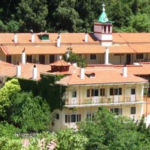
This picturesque church sits in a lofty spot between the mountains of Telethrio and Gymno. Built in 1834, the monastery was originally home to monks. This changed in 1970, when the church became a women’s monastery.
Aside from offering spectacular views out to the mountains and sea beyond, the original structure is believed to have been built in 1259 atop ruins of a temple dedicated to Apollo. Today visitors can walk the catacombs beneath, some of which have never been explored.
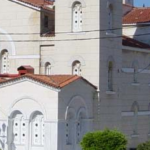
Perhaps one of the most famous churches throughout the region is this chapel in the village of Prokopi in Asia Minor. Built in 1951, in honours a simple Christian man, Ioannis, who after fighting against the Turks in his native Russia, was captured, made a slave, and taken to his owner’s estate in Evia.

A collection of baths from the Roman era in Agios Ioannis not far from Mesolongi. Visitors can see remains of a well, bathing chambers, changing rooms and a sudatorium.
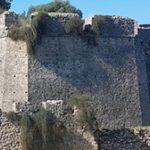
The coastal road beyond Paleros goes inland towards Vonitsa (built where ancient Anaktorion is) on the Amvarkikos Gulf. In this area, the hills above Agios Petros feature walls and ruins from ancient temples, but also significant remains of a medieval castle near the notable 12th century church of Divine Wisdom.