
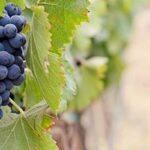
Located in the rolling hills just outside the northern town of Istiea, the Koutsogiorgakis family has made saving and preserving rare grape varieties native to the soil of northern Evia a top priority.

The picturesque vineyards of Vrinioti wines overlook the Aegean and Mount Telethrio in the distance. Located in the small town of Gialtra just a few kilometres from Loutra Aidipsos, the Vriniotis family has recently opened a modern winery using decades of experience in organic viticulture. The family cultivates common grape varieties including Savvatiano, Assyrtiko, Roditis and Malagouzia, though their passion is to save a rare Greek variety known as Vradiano from being forgotten. The estate holds tastings and tours year-round.
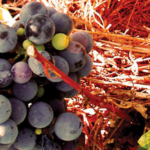
Like the rest of the island, northern Evia has a long history of wine production. Though grape cultivation has taken place here since antiquity, it has only recently begun to be seen as a viable tourist market and is home to a handful of small but top-notch wineries.
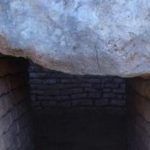
The remains of Ancient Ithoria are next to the community of Agios Ilias in the Aitoliko region. Archeologists have found tombs from the Mycenaean and Geometric eras, with many artefacts now in the Archeological Museum of Agrinio.

The chiefs of Mesolongi met in this church to plan the exodus of the besieged from the town. Sadly, they were betrayed and the exodus turned into a bittersweet event.
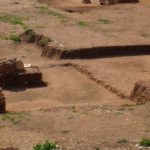
One of the biggest ancient cemeteries in Western Greece with rich archeological interest. The most important part was used for burial clusters in the flat areas northwest of the Etoliko lagoon.
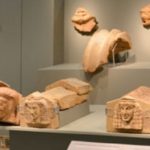
If you're an ancient history buff, you'll certainly enjoy the Mycenaean pots, inscriptions, clay figurines, Roman steles and other objects found in the regions of Chryssovitsa, as well as the temple of Apollo Thermios in ancient Calydon.
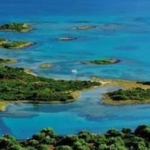
The dense forests, gorges, mountains and coastal areas of northern Evia have blessed the region not only with physical beauty, but also with a rich and invaluable biodiversity.
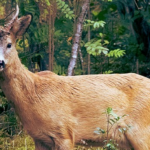
The numerous remote mountain ranges and kilometres upon kilometres of rich forest have blessed both northern Evia and the wildlife itself with a symbiotic relationship rarely found elsewhere. This rich diversity is nothing new, as the region’s petrified forest just north of the village of Kerasia demonstrates. The large variety of plant and tree life has much to do with the area’s flourishing natural habitat.
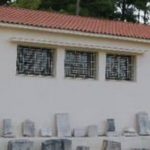
The museum contains funerary stelae and other finds, mainly from the cemeteries of ancient Thyrreion and Anaktorion and various finds from the region of modern Vonitsa. Noteworthy are the marble funerary relief from the 4th century BC and an inscribed stele on the alliance between Thyrreans and Romans from 94 BC.