
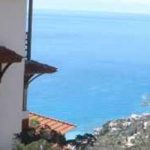
The Monastery of Agion Theodoron – today with a library and two temples of Osios David and Osios Ieronimos – was built on a rock with a superb view of the Gulf of Corinth. Evidence shows that it this particular locale was inhabited as far back as the 7th century BC.
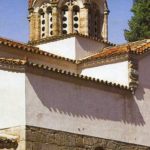
If you're in Thiva visit the catacombs of the early Christian churches of Saint Catherine and Saint Luke the Evangelist. The latter lies in the town's first cemetery where you also find a sarcophagus which is supposed to hold the saint's body, dating from the 13th century.
Near Askri in the village of Panagia with is vineyards the church of the Transfiguration of the Saviour (Metamorphosis tou Sotiros in Greek) may date back to tend of the 9th century. The church was constructed using materials from more ancient structures in the area.
Viotia or Boeotia as it is known in classical literature has a wealth of sites that aren't well known by visitors, perhaps because they are not as intact as other more important sites in the country. Boeotia of today and yesterday is home to Thebes, made famous by the Theban plays, as well as other less known sites such as Orhomenos, Gla and Thisvi, among many others.
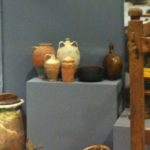
The old factory in Maglara features a watermill, flour mill and cotton gin. Locals used to wash their woven carpets there as well. The museum now displays tools and household objects from yesteryear, used for weaving, farming, etc. One room shows the works of writer and historian Takis Lappas who hails from Livadia.
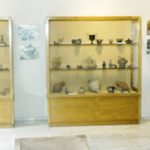
The ancient Phocean city of Ambrossos, located now where Distomo is and beyond, features many findings from the Mycenaean up to the Early Christian era. The findings are on display at the old primary school, a preserved stone building from 1903. There's also a photo exhibition from the Nazi massacre in 1944.
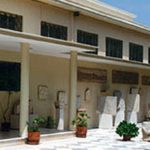
Rare collections from around Viotia outline local civilization from Palaeolithic to post-Byzantine eras. There is also a medieval Frankish tower in the museum's courtyard, once part of a castle erected by Nicholas II de Saint Omer, Archon of Thebes in 1278. The city's northern gates may have stood at the very spot.
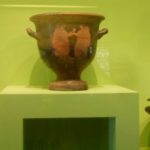
This collection is found in the town hall of the Thespies, where many findings are presented such as those from the archaeological area of the ancient city by the same name, architectural parts of the ancient city's buildings, sculptures of classical years, and remains from the archaic and the roman years.
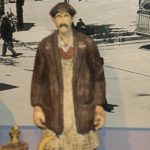
Delve into the heritage of this area through this delightful museum which showcases the professions of the previous century, as well as the tools and equipment used. Professions such as baking, sewing, fishing, painting, shop-keeping, coffee-making, lottery-selling, cake selling, music playing, ice-cream vending, shoe mending and many other now defunct professions can be understood and explored at this museum. A true foray into a forgotten past...
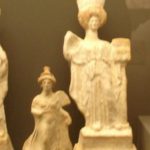
Constructed in 1890, this is the earliest museum in Viotia. It contains findings from the cemeteries of Tanagra or which had been retrieved in the field, and also finds from the first excavations conducted by the Archaeological Society. A large number of grave stelae where practically the only remains from illegal excavations. The exquisite clay figurines were smuggled outside the country in the early 1870s. Today the recently renovated museum reveals the art of Tanagra over time, important inscriptions and objects from prehistoric times to the early Christian period.