
Important sculptures from Livadia and Chaironia such as Demeter, Kyveli, a portrait of emperor Hadrian, a stone sphere with reliefs of the sun and moon, and Athena Kranaia can be seen at the museum. There are also ceramics from pre-historic locales around the area, including Mycenaean murals from Orchomenos, weapons and coins from Macedonia and a Theban tomb from the area. Recently more findings from roman, classical and Hellenic times have enriched the museum's solid collection. Note the fine inscriptions and headstones from the area, and a tomb with a mosaic floor and many other interesting finds.
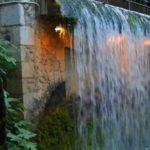
Built at the turn of the 20the century to mill flour, the watermill has been completely restored and represents a cultural beacon, as part of a cultural centre and exhibition space.
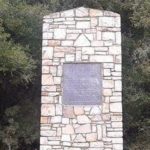
In Davlia - on the road from Davlia to Distomo - there is a monument that attests to the presence of the old Schiste (Shisti) road where Oedipus supposedly killed his father Laios. Sophocles, Pausinias and others mentioned the existence of this road that leads to the Oracle of Delphi.
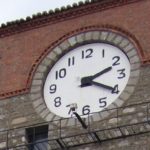
Although the tower was built during the Frankish era, the clock was donated by Lord Elgin in 1803 in exchange for being able to undertake archaeological excavations in the vicinity to find the mysterious oracle of Trofonios.
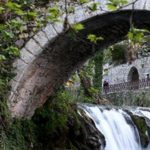
Many beautiful water fountains built of stone embellish the villages and underline the strong relationship that the residence have with this precious resource. Village life organized itself around these fountains, which slowly lost their true significance after municipal water was extended to the homes. The older fountains featured basins sculpted of stone so people could drink from them, with a lower base for animals. Today passersby and travellers can still drink from these crystal waters which derive straight from Parnassos.
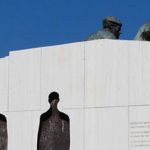
In Karakolithos outside the town of Distomo lies a monument alluding to sombre times, where 134 citizens where executed in April 1944 by the Nazis for their resistance to occupation.
Considered one of the four Catalan castles in Greece, the Castle of Livadia on the hill of Agios Elias dates back to the 13th and 14th centuries. The Catalans occupied the city from 1309 to 1380. A long walls weaves itself steeply around the castle until it joins an important tower. There is a little church inside that was built in later times, purportedly on a site where a temple dedicated to Zeus stood. Take a walk from the castle through the walls to enjoy the magnificent view of the gorge of Krya.
In Tarsus you can visit the castle and tower of Tarsus, where remains of fortifications allude to a much larger acropolis on the northern side of the hill. Some 300 meters below this point lies the tower, which was connected to the acropolis in the past.
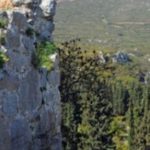
There is a castle in Davlia with remains of a Byzantine church in the form of some columns. The church was apparently built on the foundations of another ancient temple dedicated to Polias Athena.
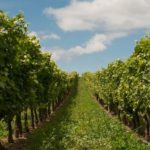
Deeper in Viotia the vineyards and wines of Askri (or Askre) are also considered superb. There is a wine factory in Askri that you can visit and vineyards as well. The Samartzis Bros Co. produces wine made of Chardonnay, Cabarnet Sauvignon, Roditis Moschofilero and many other varieties.