
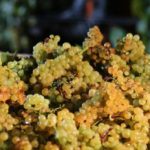
On the border between Attica and Viotia, father and son of the Papakonstantinou family have been producing, preserving and bottling wine of different grape varieties such as Savatiano and Roditis (White), Cabarnet Sauvignon, Grenache Rouge, Merlot and Syrah (Red). Rose and resin wines (Retsina) are also produced.
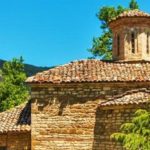
Built around the year 1700 in the post-Byzantine era monastery boasts perfectly preserved murals and Byzantine icons. There are no monks sleeping there, but you can still visit.
If you're in in Mikro Horio, check out the retreat or hermitage of Osia Maria the Egyptian. It is a rarer phenomenon in the area and stories surround Osia Maria ('Osia' is a title that's a step lower than a 'Saint' but still very revered).
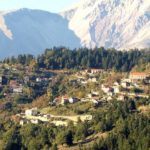
If you go to Miriki, only 7 km from Karpenissi yet lying at an elevation of 1,100 meters, you will find the village among dense woods of fir trees. The church of the village has a very special icon screen carved from walnut wood.
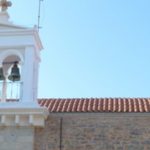
Notable relics and heirlooms from the school of the Zoodohou Pigis Monastery can be found at this church. They include four icons and works by Dionysus of Fourna.
Just outside the village of Zarakes, archaeologists uncovered a series of buildings and tombs which are believed to have made up an important centre of worship to the god Apollo from the Geometric age until the Roman era.
Just a few hundred metres in from Karystos’ port lays this impressive white marble temple honouring Apollo. Built during the 4th century BC, it was maintained throughout the Roman Period as well, and is still in relatively good condition.
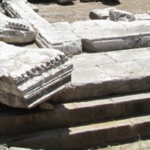
The tomb of a well-known Roman leader can be found in the centre of Karystos. The medallion on the structure’s wall features a depiction of the man buried. The impressive structure is made of marble and dates back to the 2nd century AD.
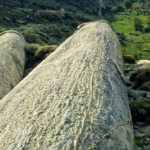
Sitting atop of Mt. Myteri, the ancient quarries of Styra look over today’s city and out to sea. There are still ancient roads leading up to where marble was transferred down the mountain and onto ships or other means of transport.
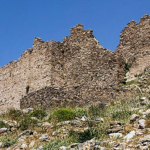
Located just below the impressive Castello Rosso, the remnants of Karystos’ ancient acropolis can still be seen today. Though little remains, an impressive amount of inscriptions were found here.