
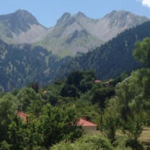
Two kilometres from Leontito in the Athamanon area excavations have revealed artefacts probably belonging to the ancient Athamanon. There are also remains from the Middle Ages.
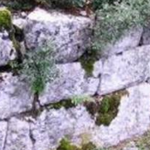
In Kastania, a resort village at an altitude of 800 metres near fir tree forest, there are remains of an ancient fortress, said to be remains of the ancient city of Menelaida.
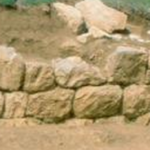
Kallithiro in Itamo features an archaeological dig on the hill of Agios Athanasios which revealed artefacts from the ancient city of Kallithiro. The city was supposedly destroyed in a fire in 220 to 230 BC. Three more archaeological sites are within the inhabited part of the village.
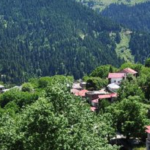
Karitsa of the Dolopons is one of the older villages of Nevropolis and was continually occupied since the Byzantine era. At Paliohori just past the village of Karitsa near the river there are archaeological ruins belonging to the ancient Dolopes. Artefacts reveal that the settlement dates from the 3rd century BC.
At the area called Plagia near Belokomitis, a building site and parts of ancient walls from the time of the ancient Dolopians (6th century BC) were discovered. At the Panigiraki site, a house dating from the 6th century AD was excavated. At Paliospita, there's a settlement dating between the 8th to 10th centuries AD.
The village of Koumbouriana within Athamanon lies an altitude of 1050 meters. The Kato Choro or 'lowlands' of the area have been characterised as an official archaeological district with ruins of many old buildings and numerous ancient tombs and graves.
The Fortress of Ithomi, otherwise known as the Pirgos or Tower, is 700 to 800 metres southeast of the village by the same name (Pirgos Ithomis) at an altitude of 364 metres. It was built of massive stone blocks layer by layer. The ruins of the ancient acropolis of the city of Ithomi surround the Tower. It was built by the Pelasgians, peoples who preceded the Greeks. There are still traces of fortifications around the perimeter of the tower, as well as some other structures from that period.

Archaeological artefacts demonstrate that the village district has been continuously occupied from the Roman and Byzantine periods to the modern era. Protected archaeological sites are located at the sites of Paleokastro and Gournarakia.
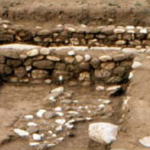
The site of the ancient city of Gomfoi (pronounced Gomfi) is located 2 km northwest of Episkopi within the region of Mouzaki. The ruins of Gomfoi include a fortified wall, part of which was recently excavated.
In 48 B.C., Gomfoi initially took the side of Pompey following the policy of the Commons of Thessaly. The Gomfians refused to open their gates to the army of Caesar, and after a lengthy siege Caesar overtook the city. In the sixth century AD during the reign of Justinian, the fortifications of the city were strengthened and during the Byzantine era it became the seat of a Bishopric.
The traditional village of Argithea was once where the ancient capital of Athamania was located, some two kilometres west of the village at a site called Ellinika. Excavations have revealed large walls 15 metres in height, ancient residences, preserved remnants of the walls around the city, parts of the statues and their pedestals, an ancient cemetery on the eastern side of the old city, and another to the west (4th to 1st century BC), more than 180 enclosed tombs, and limestone plaques from local stone along with a wealth of funeral gifts. A pillaged memorial tomb plus tombstone stele and artefacts rich with inscriptions have all been unearthed. This is the most important of all archaeological sites of ancient Athamanon. Excavations have revealed large walls 15 metres in height, ancient residences, preserved remnants of the walls around the city, parts of the statues and their pedestals, an ancient cemetery on the eastern side of the old city, and another to the west (4th to 1st century BC), more than 180 enclosed tombs, and limestone plaques from local stone along with a wealth of funeral gifts. A pillaged memorial tomb plus tombstone stele and artefacts rich with inscriptions have all been unearthed. This is the most important of all archaeological sites of ancient Athamanon.