
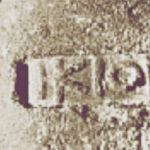
There's only one archaeological site on the island. It boasts remains of an ancient factory from the 4th century BC which produced amphorae (ancient Greek pots). The site is relatively a virgin one so there are stil pieces of amphorae around. Some of the handles of these broken pots feature the name Ikion, which derives from the old name of Alonissos (Ikos).
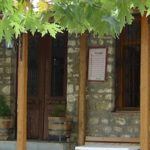
In the little village of Rovoliari not far from Makrokomi there is an excellent folklore museum that's worth the detour. A more modest one is found in the same area in Litosselo, providing a good chance to visit another relatively secluded village and delving into history.

In the municipality of Domokos there is the modest Folklore Museum of Vouzio that sheds light on traditions and customs of the area.
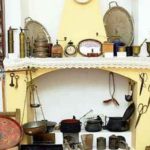
Learn about the area's past through the items and articles on display at this modest local museum and show your interest in the area by paying tribute to the efforts of the locals to set up this modest museum.
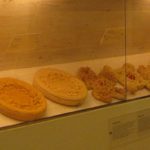
Here's an original museum for bread lovers. The Folklore Bread Museum located in Amfikleia will surprise you with shapes, types and sizes of different breads.
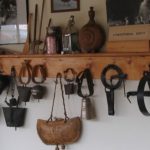
Covering the history of the region through its many exhibits, this museum houses photographs household and work-related articles and items from bygone days, as well as old weapons, jewelry, religious items and more. The collection is quite extensive.
Because this region was inhabited for thousands of years, there are many objects to appreciate at this museum. In addition, there is a mausoleum known as Hamaithanasis worth visiting nearby.
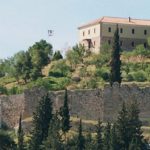
The Frankish castle in Lamia (Akrolamia) dominates the city among stones from an ancient acropolis. Many parts are intact including bastions and walls. Successive repairs took place in Byzantine and medieval times, and the site was inhabited even during the 5th century BC. There's an archaeological museum in the castle.
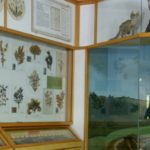
Housed in a historic structure itself from the 1830s and built by King Otto, the Archaeological Museum of Lamia will walk you through ancient history from Neolithic times (starting from 6,500 BC) to Helladic/Mycenaean times, then to Geometric, Archaic and Classical/Hellenistic era. Finds from the later include metal objects, pottery, glass, figurines, children's toys, jewellery, coins and sculptures. This museum is well worth the visit and is the focal point of the city, along with the castle.
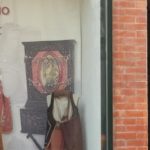
This museum has salvaged and recovered numerous objects that have to do with the customs and traditions of the region. In conjunction with the Women's Association in Lamia, the museum houses tools, costumes, embroidery, utensils and many other items that are part of rural life in Central Greece. Get ready for a vast collection of embroidery, textiles, utensils, costumes and a variety of tools, as well as magazines, newspapers and archives from Lamia. See what Greek life was like in the not-too-distant past.