
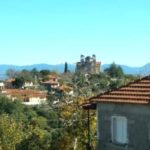
The historical furnace and lime kiln is located in an area of Agoriani called Neraidovrisi and has been there since at least the beginning of the 20th century, with evidence that it may have existed long before that. It was used for the melting of limestone and its conversion into lime. The workmen accumulated the limestone, collected wood, lit a fire and sealed it. Usually the rocks burned for three or more days and nights, which is why the area around the furnace was cleared completely, i.e. to collect wood. It was last used by Dimitrios Kafentzis around 1945 and today sadly the roof has caved in.
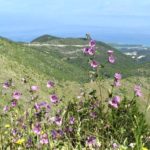
Corfu is famous for being the greenest Greek island and nature-lovers instantly fall in love with Corfu’s countryside. The island’s natural landscape runs the gamut from lagoons and lakes to valleys and mountains. Some of the most unique natural phenomena can be found in Corfu, including a lake that borders a desert which in turn boasts juniper-tree thickets.
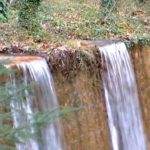
The traditional olive mill of the two siblings Christos and Aggeliki Vergadou and the two watermills of Nikolaos Psathas and the heirs of Dimitrios Psathas are worth a visit. The traditional olive mill is one of the few surviving ones in the region and stopped working in 1958. The olive fruit used to pass in three stages to yield olive oil in a complicated process operated by a 'koumantadoros' who had to separate the water from the oil at the end.
Cape Tainaro (or Tenaro) the southernmost point of mainland Europe, also belongs to the Municipality. Its lighthouse was constructed by the French in 1882 in Paris and renovated in 1930. Since 1984 it is powered by solar energy. There is a path leading to the lighthouse (about 20 minutes walk). The lighthouse was recently renovated by the Ekaterini Laskaridis Foundation, in cooperation with the Navy. At Niata the old wind-mills and dozens of stone wells around the village, are really noteworthy.
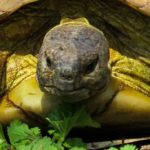
Corfu’s protected habitats are the best places to see a variety of animals in their natural environments. Lake Korission and Antinioti Lagoon offer opportunities for nature-lovers to observe a variety of birds, turtles and terrapins. Vido Islet is home to pheasants, hares, partridges and rabbits. Also, a number of lizard species inhabit Corfu’s mountains.
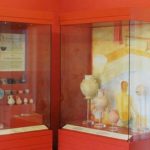
Visitors will find exhibits and artifacts found in Palaiopolis, including household, commercial and religious objects that reveal interesting aspects of the private and public lives led by the ancient Corfiots. Only 3 km from Corfu Town, the museum is easily accessible.
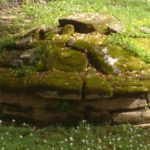
This 6thC BC grave monument features one of the oldest surviving Ancient Greek inscriptions. The 10-verse text dedicates the monument to Menecrates, a Corfiot statesman, in honour of his contribution to Corfu town. It is located in Garitsa.
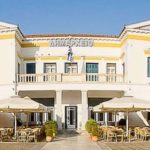
The Koumantereios Gallery also in Sparta is located in another neoclassical edifice, boasting a permanent collection of oil paintings by European artists. It represents an island of Western culture in a very Mediterranean setting.
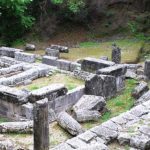
Located approximately 2 km south of Corfu Town within the Mon Repos estate in the Kanoni area,Palaiopolis is the site of the ancient city of Corfu and includes the Ancient Agora (only a few sections are visible),the 6thC BC Doric Kardakio Temple dedicated to Poseidon or Askleipion,and Roman Baths built in the 1stC AD.
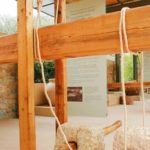
From an eco perspective a visit to the Museum of Olives and Olive Oil in Sparta is a must-see. It reveals the history of olive oil production from ancient times to the present.