
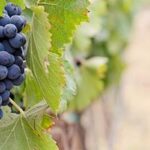
Agriculturist Elias Zacharias has been working with wine for almost 30 years. The first family vineyards were planted in 1960 on the slopes around the village of Leontio, Nemea. Come discover his wonderful wines on the Nemea-Petriou Road.
The Hercules wines supposedly follow a 2,500-year tradition in the area's winemaking. Try the Hercules red with cheeses, or the white with seafood and pastries.
This delightful Greek Winery, nestled among the rolling hills of Greek wine country, Nemea, has been around for 40 years. Semeli’s oenologists are on hand to tour the winery with you, from grape collection and vinification to bottling. The winery is open weekdays from 10 am to 4 pm, and by appointment on weekends. Definitely worth a visit!
A family-run estate with wonderful red and white wines made from local and foreign varieties of grapes, aged in French oak barrels. You'll love exploring the cellars.
Thanasis Papaioannou is a wine pioneer who believes that "wine must maintain its unique characteristics" such as grape variety and procedures, cultivated in harmony to the ecosystem. Organic cultivation and wines!
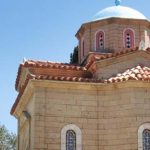
Near Mytilinous at the Katrafili position, the monastery was founded in 1824 where the old Holy Trinity church was by the monk Neofytos. It is Samos’ most modern monastery and has a prized library.
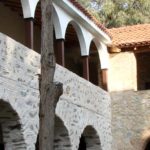
Erected in 1695 by the monk Meletios, with the assistance of locals, in the lush valley of Vlamari. In the cathedral there are some well preserved 17th century frescoes.
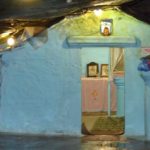
A unique, tiny chapel dedicated to the Virgin Mary, was built inside a large cave northwest of Pythagoreio. In the church there is a marble icon of the Virgin, whose appearance on it is unclear. Next to the chapel is a small pool of what is said to be holy water. Spiliani (or Virgin of the Grotto) is also known by locals as ‘Kaliarmenissa’ and is considered to bring good luck to travellers.
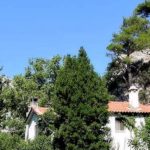
Within a cave on an isolated ravine bursting with greenery (plane and pine trees, bushes and other plants) stands the small church. Surrounded by mountains and 500m high, reaching this monastery can be risky, which explains its name, ‘kakoparatou’ meaning very difficult to reach. No longer in use, the cave was once inhabited by ascetics, who built the church of there.
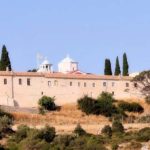
The convent is located in Rampaidoni mountain to the Northeast of Samos town, at an altitude of 300m, offers striking views across to Asia Minor and down to Mourtia beach. Its church was founded in 1756 in a pine tree forest where the Zoodochos (life-giving) spring once was. An interesting feature are the church’s doors, which are made from small wooden pieces symbolizing the 365 days of the year.