
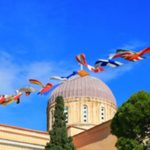
In Galaxidi, the church of Agios Nikolaos (Saint Nicholas) is well known for its carved icon screen made from wood.
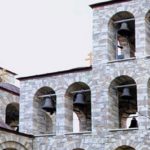
The tradition of monasteries continues in modern times with the recent construction of this magnificent masterpiece, the monastery of Agios Augustinos and Agios Serafim of Sarof, in the village of Trikorfo. It boasts the largest belfry in the world, with 60 bells and 400 gongs ringing loud and captivating listeners.
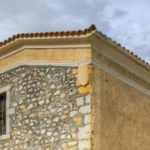
This church is known for its solar calendar in its roof, a zodiac cycle embedded in its floor and unique sundial in its forecourt, a rarity in churches that here reflects the maritime overtones of the town.
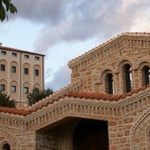
Started by a group of nuns in 1991, the Monastery of Saint Nektarios is a relatively young monastery, secluded in the mountains, on the road to lovely Dorida right before the village of Trikorfo. After a harsh beginning, today the Monastery makes a living by selling a variety of products from handmade creams, soap, incense, wooden psalm books, candles, icons, crosses, traditional sweets, homemade local pasta and much more. The monastery is also known for its catacombs.
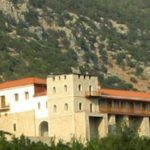
Some 7 kilometres northwest of Chrisso lies the Monastery of Profitis Ilias, at an elevation of 400 meters. It boasts a view of the bountiful olive groves of Amfissa, as well as Galaxidi, the Gulf of Corinth and the Peloponnese mountains across the Gulf. After being destroyed by the Ottomans in 1825 and set on fire by the Italians in 1943, it was slowly rebuilt and its more ancient elements restored. It is now a female monastery with a superb woodcut icon screen depicting the old and new testaments. There are also interesting works by a noted artist from Epirus, in addition to a library of valuable manuscripts and letters dating from the Greek revolution.
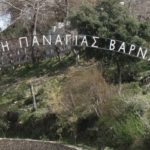
The Byzantine Monastery of Panagia Varnakova or Holy Virgin Mary is one of the grander and more important ones in the prefecture, situated on Mount Vardoussia some 20 kilometers away from Efpalio. It was built in 1077 AD was a pillar of Hellenism during a time with the Catholic church hoped to convert the Orthodox. It also played a part in protecting those who escaped from the holocaust of Mesolongi in 1826, so did the monastery of Agios Ioannis of Thermes. Today, chestnut trees and a serene mountainous environment await visitors there. It was built in 1077 AD was a pillar of Hellenism during a time with the Catholic church hoped to convert the Orthodox. It also played a part in protecting those who escaped from the holocaust of Mesolongi in 1826, so did the monastery of Agios Ioannis of Thermes. Today, chestnut trees and a serene mountainous environment await visitors there.
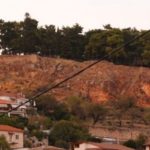
Visit the castle of Salona in Amfissa, also known as the Castle of Orgia or Oria, where an ancient acropolis once stood and where there are remnants and ruins from many different eras in history. The castle walls look impressive as you enter the town.
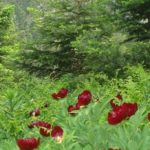
The Parnassos National Park actually extends over three prefectures, Fokida, Viotia and Fthiotida, covering 18,400 hectares (184 square kilometres). Snow blankets the park for at least two months, and the region is blessed with rain as well in fall and spring. The forest of Tithorea near the village by the same name offers many caves to explore and interesting geography. Evergreen trees appear at an altitude of 500 meters, giving way to mountain conifers on higher elevations around 800 meters. Oak trees are also present, while at the summit of Liakoura some 2450 meters up there are Greek fir trees and a couple of other species that reinforce the biodiversity of the area.
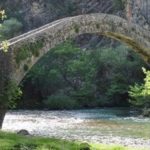
Kefalogiofyro in Efpalio represents the narrow pass across the Mornopotamos river, considered a unique bridge with impressive architecture. It was used by those who escaped during the exodus of Mesolongi (Prefecture of Aitoloakarnania) in 1826 from the Ottoman siege, sheltering in the Monastery of Varnakova nearby.
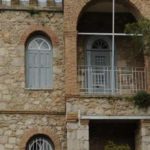
The enchanting brick and stone home that belonged to the poet Angelos Sikelianos and his wife Eva is now the museum that commemorates their work and the couple's attempts to revive the Pythian Games. They also staged Greek tragedies in Delphi's theatre in the 30s. The house offers spectacular views too.