
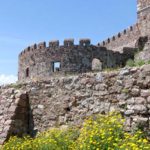
Built in the 5thC by the Byzantine Emperor Justinian and then fortified by the Genoese and Venetians, it’s still so well preserved history and architecture buffs will be astounded. Admire the threshold’s tall wrought-iron gates and explore the many beautiful stone-built inner walls, traces of Roman, Byzantine, Genoese and Ottoman fortifications, turret and admirable Byzantine reservoir – enormous for its time.
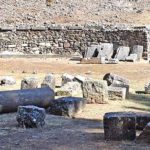
This stunning Ancient Greek theater dates back to the Hellenistic age and is thought to be as important and beautiful as the Ancient Theater of Epidavros. Fits up to 15,000 people, it is an archaeological gem Lesvos is proud of. Admire the 24-m circular orchestra pit. Explore the theater and then hike through the surrounding pine forest.
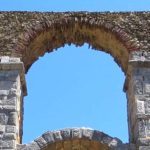
Lesvos is situated in a place of strategic importance in the Northern Aegean and played a crucial part throughout history. Romans, Venetians, Genoese and Ottomans occupied this island, while Lesvos itself saw its culture and economy rise and decline along with its historical and political history.
Lesvos also played a critical role in Ancient Greece as Pelasgians settled here as its very first inhabitants while the island experienced a vibrant civilization from the Neolithic Period onward.
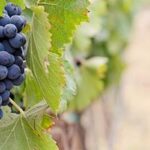
The fertile land near the village of Malandreni in the Nemea area produces great wines using the Agiorgitiko and Roditis varieties. Try the Meden Agan, Lysimelis and Metron Ariston wines.
This is a lovely boutique winery and a family-owned one, producing small quantities of good-quality wine using Agiorgitiko, Moschofilero and Assyrtiko grapes.
Offering good value for money, some of these wines are done in small quantities while others have won awards. Many grapes and varieties from the Peloponnese.
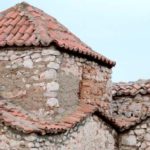
Due to their sheer age, most of the monasteries and many of the churches in this area are hauntingly beautiful, having survived for hundreds of years and through tough times. They vary widely in their architecture and location, but all have a magical spiritual aura about them.
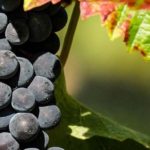
A short drive away from Nafplion is arguably the most important wine region in southern Greece, particularly for red wine. The Agiorgitiko grape has been used with much success to produce deep red wines with a full body and velvety long palate.
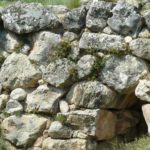
A bridge from the Mycenaean era has survived the test of time. The bridge of Kazarma lies 15 kilometres from Nafplio on the way to Epidaurus. Characterised by its more crude architecture and Cyclopean elements, the bridge is about 2,300 years old. It is still used today by the inhabitants of the area.
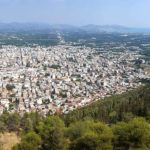
In historical times not so fertile and almost treeless, the plain of Argos now cultivates legumes, cotton, tobacco, olive trees, vineries, vegetables and citrus trees, thanks to the river Erasinos. Tobacco has been somewhat phased out in favour of food products such as its famed melons and citrus fruits. High poplar and plane trees generally appear near the river, while shrubs and olive groves lie on the surrounding mountains. The plain is dotted with springs here and there, some of which are connected to the sea via underground tunnels. If it weren't for this, the plain would have flooded during certain months and would have become a lake.