
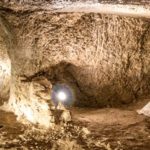
Impressive both for its progressive technological sophistication and great length (1,036 m), how the Efplaineo aqueduct was constructed so perfectly remains a mystery. The tunnel was excavated by two separate teams advancing in a straight line from both ends, digging through solid limestone using only hammers, chisels and picks. The tunnel is located 700 meters from the City of Pythagorio, at the Monastery of Spiliani.
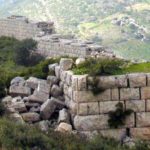
The walls linining the hills of Ambelou (Kastri) in Kasteli, at a total length of 6430m with a circumference of 1,2km squared, in which a city was set up. Carved, rectangular blocks, weighing several tons each were the main materials used for construction. Parts of the walls from various eras can be found here; in some places there are parts that are attributed to the era of Polycrates (second half of the 6th century BC), while other parts are dated around 300 BC (Hellenistic period) and after a series of wars culminating in the defeat of Samos by the Athenians in 439 BC there was a need for new, more modern fortifications. The most impressive attribute of the walls is their sheer volume and the scope that went into creating them. Unfortunately, the condition of the walls has deteriorated significantly due to neglect and abuse by visitors. Only one sign on the roadside informs of the existence of ancient walls.
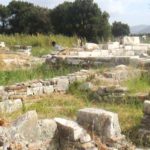
Samos is a treasure trove of exciting ancient finds for over 35 years, the Greek Archaeological Society has been carrying out digs in the region of the lower city of ancient Samos (which is about as large as the current size of Pythagoreio today), and they are continuing to do so. The dramatic development that has been taking place on the island due to tourism has led to the unearthing of the largest part of the ancient past via the Agora, public buildings, road networks and temples. There is a great deal to be explored here, with impressive finds such as the Heraion temple (or Temple of Hera), which is the largest Greek temple ever built, and the 4.8m high statue of the Kouros, as well as well organized and information-packed museums.
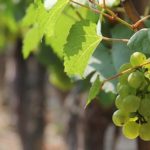
The soil around Nemea is dry, yellow and perfect for cultivating grapes. The area is full of vineyards that produce robust wines. The official wine roads of Korinthia include around 15 different wineries and wine estates with vineyards.
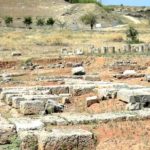
Not far from the coastal town of Kiato are the Hellenistic ruins of Sicyon or Sikiona. The ruins of the agora and a temple remain today, as well as the bouleuterion, stadium and theatre. The Roman baths have been restored and transformed into a museum.
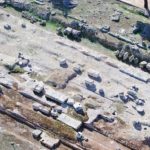
One of the most important Pan-Hellenic shrines in the country is the sanctuary of Poseidon at Isthmia (7th century BC) not far from the village of Kiravrisi where the Pan-Hellenic games took place every other year. There is also a museum that has many interesting objects, particularly the paintings on glass.
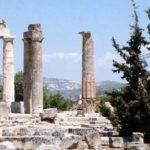
The region of Nemea, known more for its wine, also contains some ruins, a small sample of what remains of Ancient Nemea. A few columns from the temple of Zeus and some foundations, as well as parts of a palaestra and a stadium for the Pan-Hellenic games can be found. Aidonia near Nemea has remains of a Mycenean cemetery, while 4 kilometers from the village of Derveni there are remains of an ancient theatre.
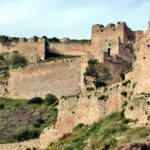
Ancient Corinth also boasts archaeological ruins – mostly Roman and some Greek – at the foot of the huge rock, Acrocorinth. Walls, mosaics, reliefs and works of different civilizations are all present.
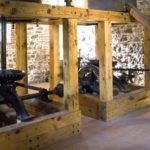
Extra-virgin olive oil is one of Lesvos’ premiere exports – and with good reason as the island’s olive cultivation and pressing process have been perfected over the centuries. Take a tour of this olive mill which has been designed to display the entire process of taking olives and getting fine oil.
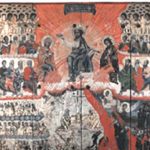
Take a tour of the island’s religious past, and admire ancient icons, bishop’s robes, illuminated manuscripts and antique chalices. It’s worth visiting as the island is known for its many monasteries and central churches – religious centers that attract tourists from all over.