
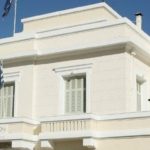
In a splendid two-floor building from 1931, once upon a time the Town Hall of Mesolongi, there is a collection about the small city's famous battle or 'sortie' as it is known. The works and photographs of Lord Byron, considered a beloved philhellene, are also on display.
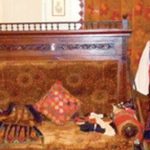
Located in Agrinio and established by the prefecture's Women's Association, the museum covers everything 100 years between 1921-1920. This is a more cultural folklore museum covering local city life as well, touching on currency, philology, religious artefacts, history, local handicrafts and farming.
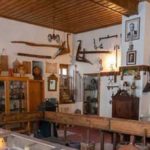
Here's a good array of tools and objects of everyday life, including looms, guns, musical instruments, books, lamps, costumes, weights and other odd stuff that have mostly been left behind by modern society. In this village, however, they seem perfectly in place and offer a moving experience of life as we once knew it.

Found at the entrance to the little 'isand' in a stone-build little building that was once an olive mill, it houses objects, tools and clothes that formed part of everyday life in Aitoliko over the last two centuries.
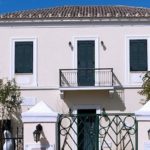
Housed in an old building from 1835 in Mesolongi, this gallery-cum-museum houses significant sculptures and paintings tied to Greece and its history.
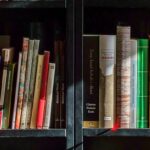
Home of politician Zafeirio-Zenovio Valvis, featuring his notable collection of books. The building has become a public library. Valvis served as twice as Prime Minister of Greece in the mid 1800s.
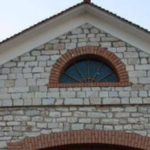
The old railway station was renovated and redesigned for hosting cultural events, as well as film screenings by the Mesolongi Friends of Film Association.
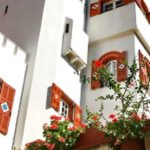
Close to the port and castle there is a Venetian tower from the 15th century and an Ottoman tower from the 16th. The latter was procured by General Notis Botsaris in 1829 when the city gained independence. The tower features a museum regarding the 1571 Battle of Lepanto and many paintings, gravures, etc. There are also displays regarding churches and rulers of medieval times, as well as wall textiles weaved in Belgium. Worth seeing.
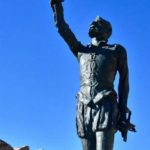
In Nafpaktos and near its port, the statue of Giorgos Anemogiannis reminds visitors of the Greek War of Independence against the Ottoman Turks. At a young age of 25, Anemogiannis tried to burn the Ottoman fleet in the harbour and was caught. He was subsequently tortured and killed by the occupiers in 1821.
Famous scholar and teacher Panagiotis Palamas was born here in 1722. His son, the famous poet Kostis Palamas who wrote the Olympic Hymn also lived here.