

Remains from Achaean times of the ancient town of Phthiotis can be seen at Stylida, with the town hall hosting many finds from that era.
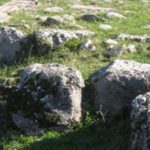
Near the modern town of Melitea which lies in the municipality of Domokos there are remains of ancient Melitea, as well as the archaeological site of Erineo in Petroto. Stelae and inscriptions from the area are displayed in the Archaeological Museum of Lamia.
An ancient settlement in the area of Hiliadou is suspected, with remains pointing either to the ancient city of Korsia or to Voumelitea. There is written evidence that Voumelitea is supposed to be right next to Ales.
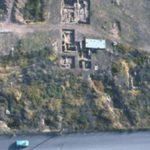
The ancient settlement of Ales contains ruins from the Neolithic era, as well as ruins from the 6th century BC up to the Hellenistic and Byzantine eras. There are remains of an ancient sanctuary and ancient port.
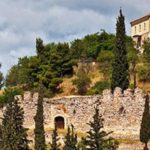
The Frankish castle in Lamia (Akrolamia) dominates the city among stones from an ancient acropolis. Many parts are intact including bastions and walls. Successive repairs took place in Byzantine and medieval times, and the site was inhabited even during the 5th century BC. There's an archaeological museum in the castle.
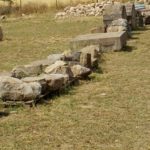
There are notable sites of Iampolis and Avon at Exarhos. In Kalopodi there is a temple dedicated to Apollo and Artemis from the Mycenaean era, rebuilt several times in history. In Kirtoni lie the ancient fountain of Kamini and the tower of Kolakas, part of ancient fortifications. There is also an archaeological site with an ancient cemetery in Megaloplatanos.
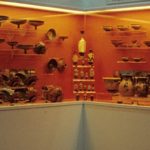
Housed in a historic structure itself from the 1830s and built by King Otto, the Archaeological Museum of Lamia will walk you through ancient history from Neolithic times (starting from 6,500 BC) to Helladic/Mycenaean times, then to Geometric, Archaic and Classical/Hellenistic era. Finds from the later include metal objects, pottery, glass, figurines, children's toys, jewellery, coins and sculptures. This museum is well worth the visit and is the focal point of the city, along with the castle.
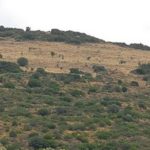
Known as Larisa Kremaste or Larissa Pelasgia in old times, Pelasgia today shows evidence of the old settlement's towns and surrounding walls from the 4th or 5th century BC. The archaeological site of Koumouli shows monuments and graves of the early Christian period between 323BC-30AD, plus impressive mosaics by the coast.
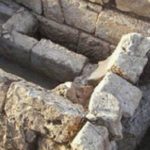
The city of Lamia was built over ancient remains from the 4th century BC, and sections of the old walls surrounding the city have been uncovered. The walls began at the hill of Akrolamia or the castle hill, ending at the hill of Agios Loukas. There are remains of the ancient city all over, including under the National Bank of Greece which are still visible in some of the underground parts of the buildings.
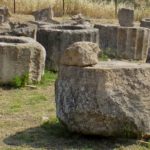
In the municipality by the same name, Elateia or Elatia boasts remains of an agora and a temple dedicated to Asclepius with a beardless statue made to his liking. A theatre and statue dedicated to Athena are also found on the site.