
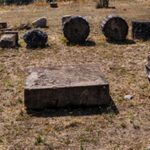
The village Kalapodi is home to the ancient temple of Elafivolou and Apollo of Iampolis, which boasts remains of a Dorian structure with columns from the 6th century BC. Some parts of the roof and stone works are now in the archaeological museum of Lamia.

This popular resort town, built where ancient Thronio was located, hides some ruins from the Homeric town of Tarfis as well in a location called Paleokastra.
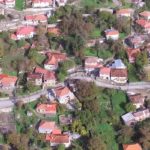
Remains of walls in Paleokastro. There are even remains of two castles – by some accounts dating from the late Neothlic era – in Dikastro (which means 'Two Castles').

In the archaeological area called Nisi, meaning island in Greek, there are Cyclopean Walls that are still standing.
Many archaeological remains in Tithorea are from the ancient towns of Neon where the Phoecians originated and from Pediis. The ancient town of Tithorea was a walled enclave, containing temples of Isis and Arhigeta. Velitsa boasts an ancient castle and walls with floor mosaics from the 4th century AD.
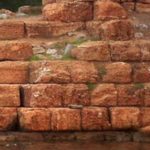
Larimna offers an ancient acropolis with remains of old walls and towers. There is also evidence of a breakwater dating back to the 6th century.
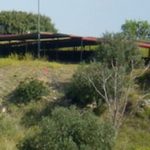
Once a complete city some two millennia ago, the site of Kinos today offers just a bit of its past glory to the archaeologically curious. It contained the harbour of Opous, named so after an ancient Greek king of Lokrida.
There are two archaeological sites at Livanates, an attractive fishing village, which are Kynos which was the harbor of King Opous of Lokrida (Locris) and Pyrgo Lyvanaton (Tower of Livanates).
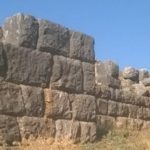
Remains of homes from the Neolithic area can be seen on the hills of the area. There are remains of the ancient settlement of Tavmakos, cyclopean walls, a castle and a circular fortress called Stroggilokastro (meaining Round Castle).
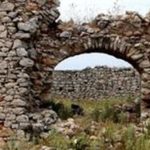
Right where ancient Proena was situated, the castle and temple to Demeter from the 4th century BC or Hellenistic times protected women and children from wars and invasions. The relatively well-preserved castle is called Ginekokastro or 'Women's Castle' and lies on a hilltop. A pavilion displays finds from the area.