
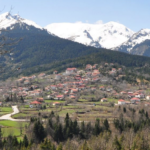
Krioneri is a village sited on the beautiful plateau of Nevropoli next to Lake Plastira. The nearby Monastery of Agios Giorgos in the woods is worth a visit, so is the Palaiohorafa recreation area for a picnic.
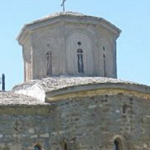
Lying in Drakotrypa, Agrafa, this old monastery was built at 800 meters and once boasted a great library with only a few of its books surviving today. Only the church remains intact.
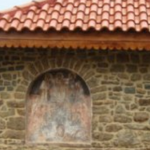
Vraggiana or Small Vraggiana (to differentiate it from another in a different region) is in the Argithea/Acheloos district. Murals from the 17th century at the churhc of Transfiguration (Metamorphosis) church are worth seeing. Also note the church of Agios Dimitrios built in 1892 by stonemasons from the Tzoumerka area.
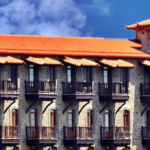
The notable Monastery of Korona stands near the village of Moschato within the Messenikolas area. The skull of Saint Seraphim was enshrined at this monastery.
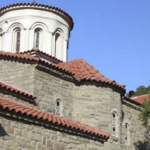
The Church of the Ascension of the Holy Virgin, a very old building, contains an altar screen dated 1659 and sections of the original frescos. Also noteworthy at the entrance to the village is the chapel of Agios Dimitrios, built in 1662.
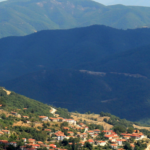
The Church of Agios Giorgos on the village square of Rendina has a single chamber with wall frescos from 1719 and an exceptional wood-carved altar screen. The Church of Agios Nikolaοs, built in 1719, lies in the centre of the village within a grove of plane trees underneath an imposing rocky promontory.

The church in the centre of the village is dedicated to the Birth of the Holy Virgin, and the village celebrates its Holy Day on the 8th of September. The church has a woodcarved altar screen of walnut form the 18th century. The skull of Agios Trifonas is safeguarded within this church.
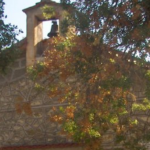
There are many churches in Vathylakkos. The Church of the Assumption of the Holy Virgin within the village was built in 1777. The altar screen of the church has special historical significance as it was brought from Constantinople.
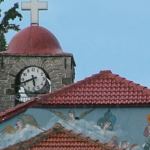
Dafnospilia in the municipality of Kallifoni is 17 kilometres from Karditsa at an altitude of 570 metres. In the Church of the Holy Trinity there is a wood-carved altar of great historic value. The skull of Saint Gregory of the Akragandinon (Bishop of the Akragandinon of Sicily) is safeguarded in the church.
Kedros is a village at an altitude of 567 metres as we leave the Plain of Thessaly for the Agrafa Mountains. The Church of Agios Athanassios there dates from 1777 and has been designated as a cultural monument.