
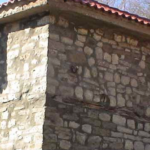
Petrohori is home to the church of the Assumption of the Holy Virgin, with a vaulted, wooden roof, religious wall paintings dating to the 1730s, and a notable carved wooden altar screen. The cemetery boasts the church of Agia Paraskevi with a stone built basilica, plus alter screen and frescos from the 17th century.
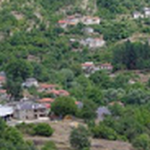
Mesovouni in the municipality of Argithea, and at a height of 1050 meters, features the Church of Agios Nikolaos, as well as the Monastery of the Birth of the Virgin Mary dating from the 17th century. Only the altar screen has been saved from the original building as the church was rebuilt in 1904.
The wine-ageing cellar and wine-tasting hall of Konstantinos Tsiolis is in the village of Moschato. Local grapes used for this good wine are Roditis, Asyritiko, Malagozia, Syrah and Black Mesenikola, as well as local variety Limniona.
A young, modern winery in the Mesenikolas within the Plastiras Municipality, this is the only winery in the region within the O.P.A.P zone. Its well-known wine is the Mavro Messenikola that is both good and affordable, aged in French oak barrels. Visits of discovery are welcome.
The Sfetsios family is well-known in winemaking circles in Greece, and has been at it for generations. This wine shop in Karditsa carries its own wines of the Sfetsios brand, as well as many notable wines from the region and beyond.
Thrapsimi within the municipality of Menlaides as a folk museum that features many local traditional tools and crafts.
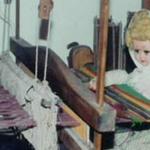
Strange tools, handwoven rugs, local embroidery, amusing antiques and odd pots are part of this diverse museum in the quaint town of Sofades which counts 6,500 inhabitants. The town also features some remarkable churches and is near various archaeological ruins.
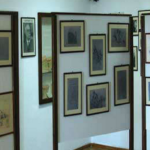
Past Messenikolas lies the picturesque village of Morfovouni or Vounessi, 18 km southwest of Karditsa. The Plastiras Museum has a permanent photo exhibit of Nikolaos Plastiras' life, the illustrious politician whom Lake Plastiras was named after and who came from this village.
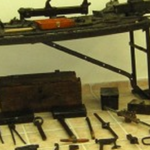
Karagouna collections, utensils, costumes and artefacts reflecting the culture of the people called Karagounides, traditionally farmers who worked under Ottoman lords in ancient times. They are known for their ornate costumes, celebrations, Christmas ceremonies, dances, grand widdings, and culinary customs.
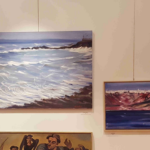
At an altitude of 350 metres and 14 km from Karditsa, the picturesque village of Kanalia is found on the foothills of the Agrafon Mountains is home to the folk artist Kitsos Makris who founded a museum 1979. The museum also displays an interesting array of farm and household tools and a photographic library.