
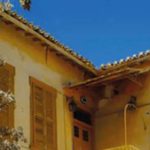
Another building which traces its roots back to the early days of the newly formed state is the Government House. The leader of liberated Greece, Ioannis Kapodistriou resided here and the structure also contained offices and records. The island's modern day archives are stored on the first floor of the building.
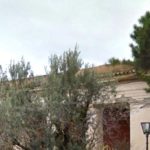
Next to the Cathedral lies this neoclassical building given to the island in 1830 by a Swiss banker named Eunardios. It was turned into a school of teaching and offered prospective educators three-month training courses.
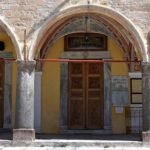
Decisions concerning the future of the newly liberated state were made in this first parliament building from 1827 -1828. Touring the Cathedral makes one feel almost as if they are transported back in time to the country's founding days and the historic artifacts as well as icons and murals make it well worth the visit.
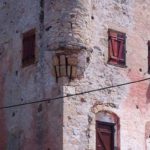
This rose-colored Venetian tower may be ruined but that only adds charm to the modern state's first headquarters from 1816-1828. The structure is next to a peaceful square a few streets inland from the harbor and is named after the man who built it. This rose-colored Venetian tower may be ruined but that only adds charm to the modern state's first headquarters from 1816-1828. The structure is next to a peaceful square a few streets inland from the harbor and is named after the man who built it.
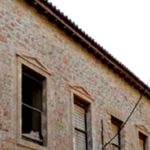
First president of the burgeoning Greek state Ioannis Kapodistriou built this orphanage in the southeast section of the city. Aside from serving as a school and shelter for the children who resided here, the building was also home to the National library as well as the country's first archaeological museum and music school.
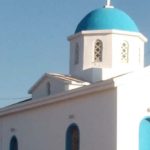
This charming chapel may not contain beautiful icons, murals or metal offerings but it sits in the most privileged position atop the island's point on Mt. Ellanio (Hellanios). It shares its glory with the remains of a sanctuary of Zeus and the views from the summit of the Saronic Gulf are truly spiritual.
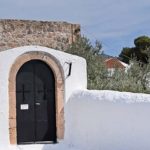
This old church is actually made up of three churches, the largest of which dates back to the 13th century. One of the smaller churches contains a magnificent icon of the Virgin Mary. The church also includes vineyards and orchards, all of which belong to the monastery of Chrisoleontissa.
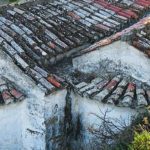
The region of Palaiohora in the north central region of the island transports its visitors back seven centuries in time when the island lived under the threat of pirate attacks and frequent foreign invasions. These threats convinced the islanders that moving from the coast to the island's interior would ensure their safety and prosperity.
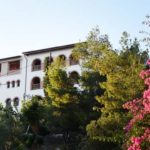
Just 2 kilometers south from Agios Nectarios lies the monastery of the Virgin Mary Xrisoleontissa. Its formidable high walls and tower stand testament to the fear of pirate raids which gripped the island. The tower was built in 1600 and the church which currently stands was constructed in 1800. The monastery is known for its carved icon screen, an icon of the Virgin Mary and impressive murals.
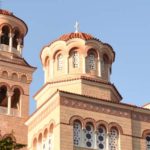
Agios Nectarios is home to the island's patron saint who built the church and lived in the monastery. He died in 1920 and was canonized in 1961 (remarkably soon by Orthodox standards). The monastery is positively enormous and contains two tall bell towers as well as dozens of arches and domes surrounded with windows.