
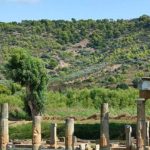
Known in English literature as Brauron, this is the ideal place to combine an archaeological visit with a nature-filled one. Thanks to the ancient buildings, Vravrona became a protected one and remains a small specimen of the last untouched Mediterranean landscapes in the region.
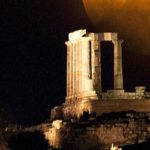
In contrast to Athens' verdant northern suburbs, Sounio or Sounion at the tip of the Attica peninsula, stands seemingly bare with its archaeological ruins, against the backdrop of shimmering sea. But don't be deceived, there are hundreds of plant species growing here, including some that exclusively grow in the area such as special orchids and two thistle (knapweed) species, in addition to a nearby forest. Land tortoises, wrasse (fish), rare birds of prey, sea birds and migrating songbirds can be spotted.
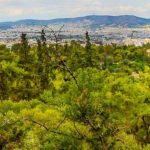
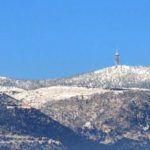
Step just outside Athens to discover the rest of the Attica prefecture and you'll be faced with more nature that you could have imagined. Beckoning Mount Parnitha is only a 30 kilometers from Athens, with fir trees, red deer and the 11th century monastery of Kliston, which makes it almost a thousand years old if you stop to think about it.
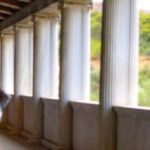
There are over 100 museums around Athens of different sizes, and all offering insight on Greece from millennia ago to its dynamic culture today. Some of these museums are very famous, while others are tucked away on side streets and not known to the public. Let their themes inspire you, go visit, and let these museums stir your soul!
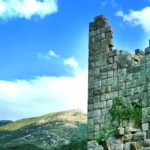
A fortress dating from the 4th century BC lies near Porto Germeno (Yermeno). There are also remains of a 5th century basilica with a mosaic floor and remains of a medieval cloister.
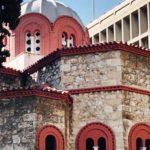
In Greek this church is Agios Nikolaos tou Ftochokomeiou, built in 1876 with interesting irregular stonework done in 'neo-byzantine style'. It lies across from the War Museum and near the British Embassy, accessed from the Evangelismos Metro.
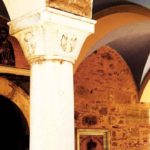
Between Prytaneiou and Erotokritou streets, also known as the Church of Holy Sepulchre, built on an even earlier church from the 6th century. Rebuilt in 1651 with a monastery but damaged in later troubles. Officially belongs to the Patriarchate of Jerusalem.
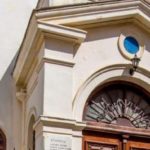
In Plaka on the corner of Sotirias Aliberti and Thrasyvoulou streets, the Koimesis Theotokou church or Panagia Chrysokastriotissa is tied to a miracle when in 1456 women and children hiding from invading Ottomans in the Acropolis escaped to the church and were saved.
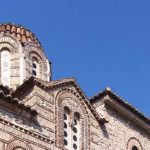
The largest remaining Byzantine era (11th c.) church in Athens, corner of Prytaneiou and Epicharmou streets. Built by the grandson of Emperor Michael I Rangavas on the site of an ancient temple. Its ringing bells signalled the end of Ottoman and German occupations.