
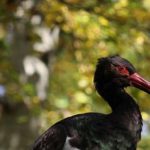
Lesvos is extremely proud of its beautiful natural landscapes and varied and thriving ecosystems. Cycle or hike through the island to admire its lush forests and the many important wetlands, vibrant tidal pools, ponds and rivers. In fact, Lesvos is the only place in Europe where there’s a population of Asian squirrels. You’ll also see turtles, snakes and frogs on this island, so if you love looking out for the local fauna, keep an eye out. Birdwatching is a very popular sport in Lesvos.
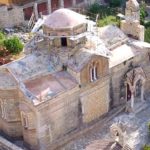
Between Nafplio and Epidaurus, there is the classical-looking Monastery of Ayia Moni from the 12th century. This beautiful old monastery has a clear water spring and a small textile workshop.
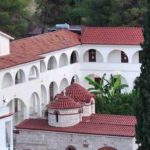
The Monastery of Agios Theodosios in the Municipality of Midea dates from the 10th century, even if the structure built around it seems more recent. Midea also has the 12th century austere yet interesting Church of the Dormition of the Virgin.
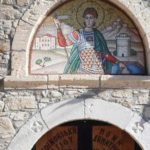
In the municipality of Nea Tiryns, the Monastery of Agios Dimitrios Karakala originally dates from the 11th century, although it can look quite modern on the outside.
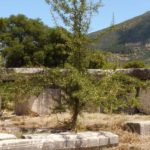
Also known as the temple of Asclepius, this site was a religious and curative centre (as revealed in the poems of Pindaros), an anceint holistic and spiritual centre. It used katakoimisis as a cure (sleeping until the god visited patients during sleep to reveal treatment) but the treatments evolved. The other important Aesculapium in Argolida is the temple of Epidaurus.
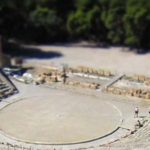
The municipality of Argos also features a theatre built by Polycleitus sometime towards the end of the 5th century BC. It held possibly up to 20,000 people in 83 rows, and is considered the biggest of ancient Greece.
Near Argos lies a site to worship the Greek-Egyptian god Serapis established during Hellenistic times under the Ptolemaic dynasty. Considered the guardian of medicine and the saviour god, Serapis enjoyed popularity of the peoples in Argolis.
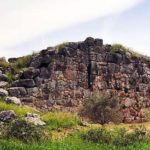
Visitors will marvel at the huge boulders that may remind British and Irish visitors of the Gaelic dolmens. Myth has it that the boulders were created by the Cyclops (Kiklopi in Greek). The cyclops were the only beings who could move them with their strength. Tirintha shows evidence of being inhabited since the Neolithic era, i.e. around 1400 BC when the outer walls were built (a full century before Mycenae). It was soon thereafter burnt down and rebuilt by the Dorians who invaded the area.
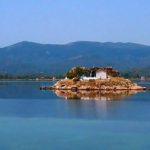
Lesvos is extremely proud of its beautiful natural landscapes and varied and thriving ecosystems. Cycle or hike through the island to admire its lush forests and the many important wetlands, vibrant tidal pools, ponds and rivers. In fact, Lesvos is the only place in Europe where there’s a population of Asian squirrels. Birdwatching is a very popular sport in Lesvos.
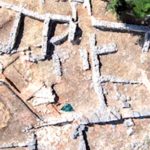
Across from the Panagia Katakekrymmeni, lies a round, wide hill that is about 80 metres high, reaching the Charadros River. Once upon a time this hill featured an acropolis with towers, the remains of which can still be seen. The acropolis on Aspis may even be older than that of the nearby Larissa (not to be confused with the city of the same name in central Greece). Visitors to Aspis may see an underground route that is about 20 metres long, which might be a cistern or a basement mentioned in the writings of Pausanias in connection to Danae and the oppressor of ancient Argos, Perilaos.