
The village of Agios Akakios in Ithomi, 10 km from Fanari, lies the cave of Aetofolia (Eagle's nest). It is 260 metres long and at least 40,000 years old. This great cave is northwest of the village and easily accessible. Its walls have been polished by the flow of water marked by amazing stalactites and stalagmites.
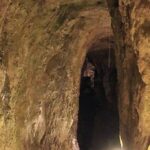
In the southeastern section of Ikaria near the village of Katafygi nad just below the Rock of Paroufa, you'll find the Cave of Semni. This cave runs from northwest to southeast, and is difficult to access due to the dense vegetation surrounding it. It's a small cave, with a length of only 4.1 metres and a width of 1.5 metre. There are no stalagtites and there has yet to be an archaeological or speleological investigation done at the cave.
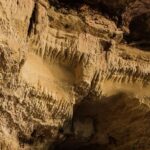
Once can find the Cave of Iero in the eponymous seaside village in the area of Faros. According to legend, the cave was once a site of worship and offering to the god Dionysus, who was said to have been born on the nearby mountain of Drakanos. The remains of a paved road lead visitors from the village to the cave. The length of the cave is about 17 metres and its roof has collapsed. Fragments of pottery, vessels and coins representing different chronological periods have been found both in and around the cave. The majority of artefacts date back to the Hellenistic period. Access to the cave is only possible with a special permit.

This cave can be found within the northeastern side of the island near the village of Perdiki, in the area of Avgolimena, near the banks of a river. It's location near a ravine and the fact that its covered by thick vegetation, make accessing the cave difficult. It stretches 18 metres long from west to east, and its interior is divided into three sections, featuring vertical walls, horizontal floors and no stalagtites. Archaeological expeditions have found various fragments of pottery and shells within the cave. Visitors wishing to explore its interior will need to have the appropriate equipment as well as a special permit.
In Agios Lavrentios there is the cave of the Centaurs, located on the top of the mountain.The seaside village of Horefto, 56 km from Volos and 9 km from Zagora, is a decent tourist spot with a sandy beach. From here you can sail with a boat to visit the old Migela (Mitzela) and the old astounding caves at the ancient city of Ipnon.
This cave is located between the village Petroupoli and the area of Arvopeza within the northern section of the island. Like most other caves, this one has been connected with legend for years. Today a handful of stalagmites and other formations are still in good condition. Neither archaeological nor speleological studies have been carried out within the cave and visitors should know that they will visit at their own risk and should take their own equipment with them.

When you visit this beautiful mountain village, ask the locals for directions to Kokkini Spilia. Translated as Red Cave, Kokkini Spilia’s name is suggestive of the cave chamber’s main feature, which is the beautiful red color of the rock.
When you’re done exploring, stop by the nearby gushing springs of Frahos and Vrisoula at an altitude of 1200 meters and then continue your hike in the area.
If you’re an experienced spelunker and you’re feeling adventurous, this is the cave for you. Close to a mountain village, this cave is rarely explored and is undeveloped. Ask the locals for directions and tips, and as always keep safety in mind as unexplored caves can be dangerous.
One of the most intriguing caves throughout Evia is the cave of Skoteini outside of the village of Thourrounia in the middle of central Evia.
The cave of Halaris or Parathiri as it's also known, can be found near the village of Chrysostomos in the southern part of the island, just a few metres from the riverbed of Halari. The entrance is four metres above ground, and the cave is divided into two parts: the entrance and the main chamber. Getting to the main area involves crawling through the long, narrow entrance. The round open area has a height of 14 metres and is full of multi-coloured stalagmites and stalagtites. Fragments of ancient pottery as well as bones have been found throughout, and the cave is full of archaeological and paleontological interest. According to studies, the bones belonged to large and miniature species of deer, as well as goats and humans, all of which date back to the Neolithic period. Although the cave holds great interest, a special permit must be obtained by anyone wanting to enter it.