
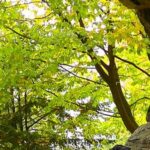
Also known to many Greeks as the 'deepest cave' Gourgouthakas is located in an area of the White Mountains (Ta Lefka Ori) known as Atzinolakos. Sitting at an altitude of 1500 meters it is 1208 meters in depth and 900 meters in length making it one of the deepest caves in the entire world. Initially discovered in the early nineties, Greek speleologists were the first to investigate the cave; a couple short years later a team of climbers triumphantly conquered it. The area around Gourgouthakas Cave is extremely beautiful and worth exploring on its own. Only those who are the most qualified and experienced climbers should consider this expedition.
Located approximately 6 km northwest of Paleochora near a small village called Azogires, the Cave of the Holy Fathers is an impressive cave system with a moving spiritual history. Over 20 meters high and more than 100 meters long the cave is accessed by ascending through its mouth which is approximately 10 by 5 meters. Once inside there are steel ladders leading you down into the cave which houses a number of wondrous dripstone formations. The Cave of the Holy Fathers has still not been fully investigated and it is relatively difficult terrain – a flashlight and sturdy hiking shoes are an absolute necessity. Any questions can be directed to the friendly locals at the nearby Alfa Cafe and Information Center.
Once a sacred spot of Minoan worship the cave of Agia Sofia is now famous for its mammoth stalactites and stalagmites. A steep climb up the stone staircase and into the mouth of the cave visitors will first see a small chapel where they may light a candle or offer a prayer. Once inside it is fairly easy to make one's way around (although the back of the cave is too slippery and dark to explore). Some of the stalagmites and stalactites are up to five or six meters in length with unique, almost otherworldly formations.
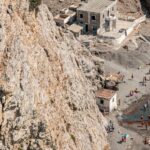
Thermes beach is a popular destination for the locals who enjoy soaking in the warm thermal springs that bubble into the sea from the mountain. The landscape is breathtaking as well, so combine a therapeutic swim with views of a dramatically rugged shoreline.
Easily one of the most beautiful gorges in all of Crete, the Imbros gorge is often overlooked by hikers who choose Samaria instead, but this gorge is impressive in its own right. Again regarded specifically as a hiking site, the Imbros Gorge is a fantastic natural habitat for a variety of birds including the Raven, the Griffon Vulture, the Falcon and the Alpine Swift.
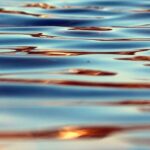
Set amongst a stunning backdrop of mountains Lake Kournas is the only natural freshwater lake in all of Crete and covers an area of approximately 579,000 square meters and is only 22.5 meters at its deepest point. Home to different species including Herons, Cormorants, Ducks, and Warblers. As one of only two freshwater lakes on the island, Lake Kournas is a wonderful spot to take a rented kayak and while away the day atop its calm waters. On site visitors can rent a pedal boat or canoe to travel around the area.
Pebble beaches with deep waters on the southeast side of the island. Strong winds make them just perfect for windsurfing. In summer Valias offers umbrellas and beach beds. Restaurants available.
If you arrange a boat trip from Diafani to Saria, you can swim but also explore this isolated island with its medieval ruins and recent churches. It was once a pirate's hideaway too.
Welcome to the biggest sandy beach on the southwestern tip of the island. This isolated beach doesn't have any restaurants or umbrellas, so go well prepared.
The name translates as River of Birds, but it's more a beach with large pebbles just 10 km south of Pigadia. Can be reached by a dirt from Ammoopi.