
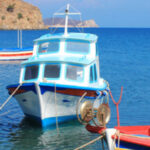
Accessible via boat or after a short hike, this wonderful beach offers stretches of golden sand that seem to unroll before you, welcoming you to one of the most stunning beaches in Patmos. There are lots of trees that dot the sand, so it’s perfect if you want to spend the day and bring along a picnic. The crystal clear waters will certainly beckon.
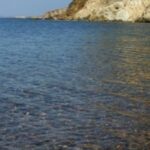
This one-of-a-kind beach will not only astound you because of its crystal-clear waters and wonderful surroundings, but also because the pebbles that cover the shore and spill into the seabed sparkle with all shades of colors. If you go at night, you’ll see the bottom of the sea awash with color. Don’t take them home, though. It’s against the law.
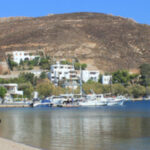
If you’re looking for action and watersports, then Kato Kambos beach is the ideal place for you. Long stretches of sand, blue green waves and all the equipment you need for your favorite sport. It’s a favorite among locals and tourists alike, and you’ll be happy you joined the crowds and took a dip after you dive into its cool waters.
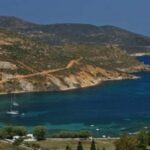
If you love nothing more than combining ecosports and fun, then go on a short hike down an ancient path to find this stunning beach. It’s called Didimes, or twins, because a huge boulder separates the beach, turning Didimes into two separate bays. The rugged landscape and aquamarine waters will lull you into believing you’re on an exotic island.
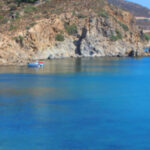
Take a dip, take in the sun and immerse yourself in the caress of stunning crystal-clear green waters. It’s one of the best beaches, and not only is it a quiet place for solitary swims, but you’ll also be thrilled with the wonderful views of the nearby monastery. It’s also very close to town, so you can take a break from exploring and go for a relaxing swim.
West of Samaria this gorge can be accessed from the same pathway as Klados gorge, beginning in Linosseli. Breathtaking views of its steep rock walls, climbers will be delighted its nature and wildlife. Dangerous in spots and not for the novice. Beware of loose rocks and plan well.
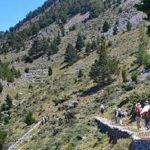
Just over an hour's drive southwest of the city of Hania is the gorge of Agia Irini. Easily accessible from the village of Agia Irini the entire hike is approximately three hours and stretches out over 7.5km. At its most narrow point it closes in at just 10 meters while its walls climb to a height of 500 meters. Most of the pathway is easily navigated and the trail itself well cared for although there are both uphill and downhill areas and along the riverbed visitors have to traverse the rocky terrain. There are a couple of picnic spots along the way and washroom facilities. Lush vegetation, flowering herbs and gorgeous views of the surrounding mountains and abundant pine and cypress trees await travelers here. At the end of the pathway there is a main road that leads to the charming village of Sougia.
Compared to many of its sister's, the Sirikari gorge (also known as Polyrinia gorge) is an easy alternative for those looking to get out into nature but not suffer too much the next day. A protected habitat, the gorge descends into a beautiful river bed with abundant, flowering vegetation. From the village of Sirikari the pathway ascends to the ancient settlement of Polyrinia with its glorious view of the bay of Kissamos. Altogether the hike is approximately three hours (and 11 km long). Visitors should beware however, that along the pathway there are areas not well marked by signposts and it can become easy to get turned around.
More famous with each passing year, the Samarian Gorge is synonymous with Crete. Each year thousands of tourists flock to the Omalos plateau to begin their descent into the mouth of this stunning exploit.
Located in the small, aptly named village of Rokka this gorge is a big departure from Samaria and some of the other's with rougher terrain but it is just as beautiful and has just as much flora and fauna to keep visitors preoccupied. Nearly vertical rock faces loom overhead and at less than 5 meters wide and 200 meters deep the gorge is extremely imposing. A remarkable view of Kissamos awaits hikers who reach the plateau and the steep hill known as Trouli above the village is the site of the ancient Venetian castle (see archaeology section).